



Visit Sélestat and the surrounding area – 12 things to see and do

How about I take you on a tour of Sélestat? Sélestat is an Alsatian town located between Colmar and Obernai, at the foot of the famous Château du Haut-Koenigsbourg. It’s the fourth-largest town in Alsace, yet it remains relatively unknown to tourists. Yet it’s a charming town with beautiful buildings, including the incredible Humanist Library, and it’s a pleasure to stroll around there. Sélestat is also an excellent base for exploring Alsace thanks to its central location. That’s quite a few advantages!

Summary
- What is Selestat known for?
- How long does it take to visit Selestat?
- 1. Visit the old town of Sélestat
- 2. Visit the Sélestat Humanist Library
- 3. Cultivate and indulge at the Maison du Pain d'Alsace, in the heart of the city center
- 4. Explore the contemporary art circuit
- 5. Take a break in a tearoom in the heart of Sélestat
- 6. Visit the Sélestat Christmas market
- 7. Visit the Haut-Koenigsbourg castle
- 8. Visiting wildlife parks with your family
- 9. Discover the Alsace ried
- 10. Visit a winemaker and taste wine
- 11. Cycling between the Wine Route and the Alsace Plain
- Bonus - Attend the Machores carnival
- My good addresses in Sélestat
What is Selestat known for?
Sélestat is best known for its Humanist Library, a Renaissance treasure that I’ll tell you more about below. It is also famous for the Christmas tree, because it is in Sélestat that the oldest written mention in the world referring to the Christmas tree was discovered!
How long does it take to visit Selestat?
Count on half a day to visit Sélestat quietly, but more if you also want to discover the surroundings (which I advise you to do!).
1. Visit the old town of Sélestat
Sélestat has been awarded the Ville d’Art et d’Histoire label and it is indeed impressive to admire its built heritage during a stroll in its city center. I invite you to take the tour proposed by the tourist office, called “In the footsteps of the lion and the giant Sletto”. According to legend, the giant is the founder of the city and the lion is the symbol of Sélestat.
The walking tour is really well put together. It lets you admire Sélestat’s main buildings and stroll through neighborhoods you might not otherwise have visited (the Tanneurs neighborhood, for example, is a gem, but it doesn’t have many shops, so I hadn’t had the chance to visit it on my previous trips).


Sélestat is full of majestic monuments, old half-timbered houses and painted facades: it would be a shame to miss them! I also advise you to enter thechurch of Saint-Georges, which has in its choir very beautiful stained glass windows from the 15th century.
During your historical tour of the city, be sure to visit the tourist office located in the Commanderie Saint-Jean, the former residence of Ebermunster, the Tour des Sorcières on Place de Lattre de Tassigny, the Strasbourg Gate of the Vauban fortifications, the Tour Neuve, the Sainte-Foy Church, the Recollets Church, the Clock Tower, the Vauban ramparts, the Sainte-Barbe Arsenal, the municipal baths, the splendid water tower, and the Rue des Chevaliers, one of the city’s oldest streets.


2. Visit the Sélestat Humanist Library
Among the buildings not to be missed, located in the Halle aux Blés, is the Bibliothèque Humaniste de Sélestat, whose current building was designed by architect Rudy Ricciotti. It is home to some very valuable works, which are included in the Unesco Memory of the World register. This museum is unique in the world, with more than 3,000 documents (prints, incunabula and manuscripts), dating from the 7th to the 16th century. This is the collection belonging to Beatus Rhenanus, which he bequeathed to his hometown at his death. A true treasure of the Renaissance that we are lucky enough to be able to admire today. If you can, I recommend taking part in a guided tour.
Why a Unesco-listed humanist library in Sélestat?
The famous humanist from Sélestat, Beatus Rhenanus, was responsible for the creation of the Humanist Library, as he bequeathed his incredible personal library to Sélestat, his hometown, upon his death. With its 423 volumes—containing 1,287 works and 41 manuscripts spread across various collections, as well as 33 ancient manuscripts and 255 autograph letters—this collection was one of the richest and most beautiful of its time! It is, in fact, the “treasure” of the Humanist Library of Sélestat and earned the library a place on UNESCO’s Memory of the World Register.
Books, exhibition treasures
The books are magnificent, displayed with great care: held at a certain angle to prevent damage, protected from excessive humidity and light. A rotation system is in place that allows visitors to discover new works on a regular basis. I learned a great deal about books, such as the purpose of their thick covers and large clasps to keep them in good condition, or the different types of “paper”: for example, vellum (the skin of a stillborn calf) or rag paper (made from textiles). I also learned that people used to bind their own books to save money and that several books would sometimes end up “under the same cover.”


3. Cultivate and indulge at the Maison du Pain d’Alsace, in the heart of the city center
In a different register, another emblematic place of Sélestat is the House of the bread of Alsace, located in the old seat of the Corporation of the Bakers. La Maison du Pain is a bakery-museum. The bakery area has an open bakery and it is therefore possible to observe the bakers at work (and to take part in the regularly organized activities). The museum area is dedicated to the history of bread, flour and wheat.


4. Explore the contemporary art circuit
Finally, if you like contemporary art, you should know that Sélestat offers a contemporary art circuit. Yes, you wouldn’t necessarily expect it in a city of this size, but it’s really nice to be able to mix the discovery of the old heritage and the contemporary path during the visit of Sélestat! Of course, don’t forget to visit the Fonds Régional d’Art Contemporain. I love the work of the artist Sarkis entitled “The meeting point: the dream” and its 310 street signs whose messages leave indeed dreaming…


5. Take a break in a tearoom in the heart of Sélestat
Sélestat is home to a number of gourmet and unusual addresses: click here for my list of good tearooms and cafés in Sélestat.


6. Visit the Sélestat Christmas market
As the year comes to a close, I highly recommend visiting the Sélestat Christmas market— a market off the beaten path that’s entirely dedicated to Christmas trees. Why? Because the first mention of it was found in a city account book dating back to 1521: it is the oldest known written reference to the Christmas tree in the world to date!


7. Visit the Haut-Koenigsbourg castle
The famous Haut-Koenigsbourg castle is close to Sélestat: it would be a real shame not to take the opportunity to visit it!


8. Visiting wildlife parks with your family
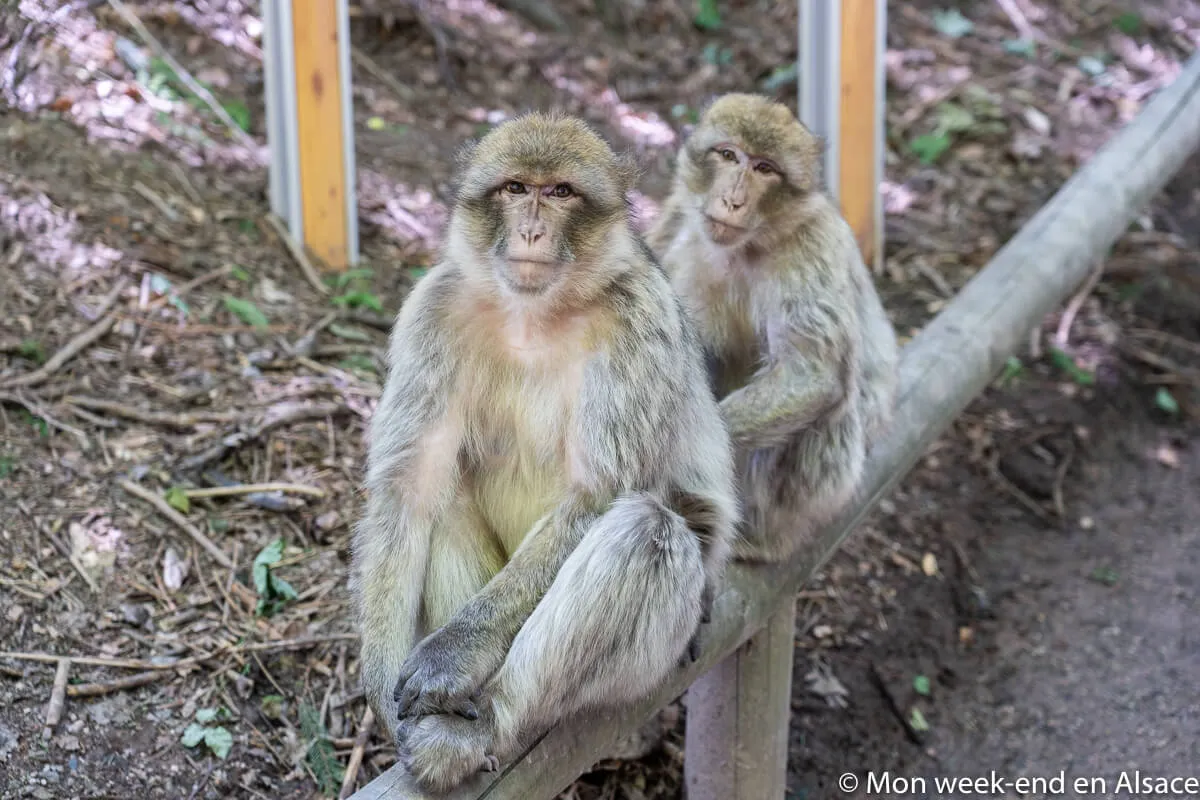
Juste à côté de Sélestat se trouvent quelques-uns des parcs animaliers les plus célèbres d’Alsace: Volerie des Aigles, Montagne des Singes ou NaturOparc, vous n’aurez que l’embarras du choix!

9. Discover the Alsace ried
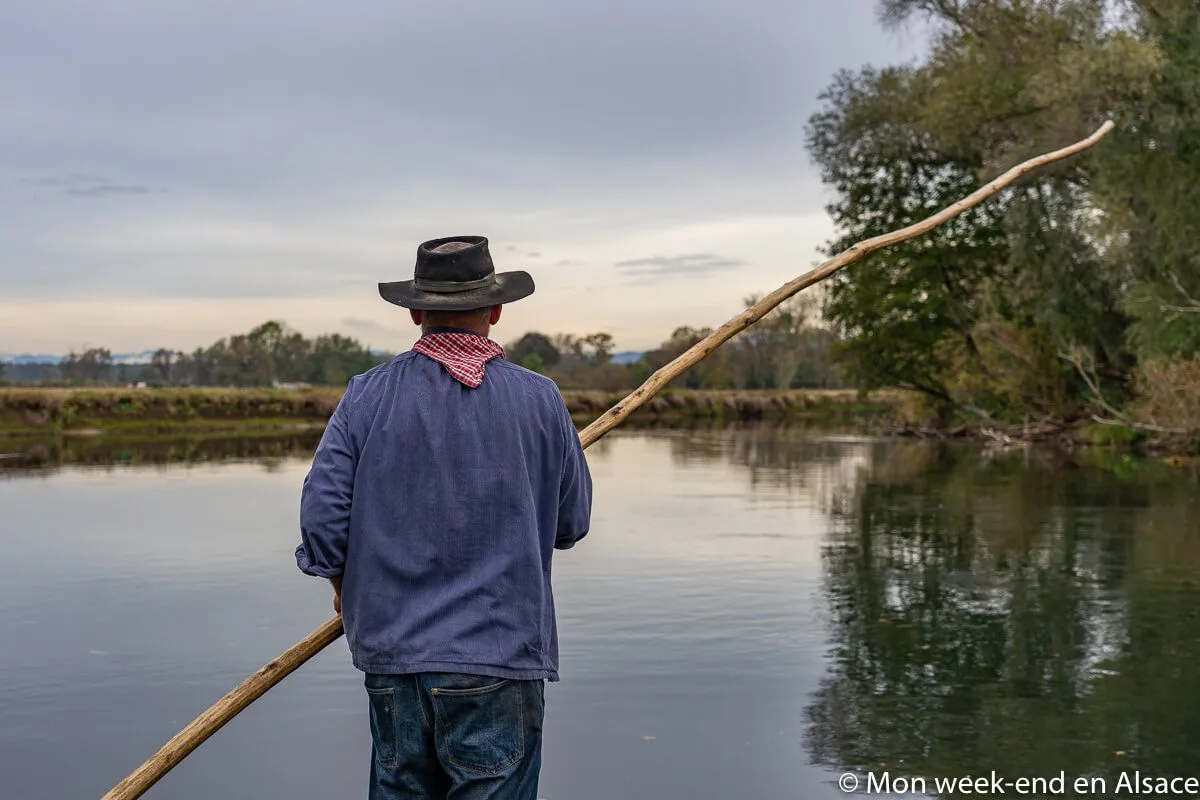
The ried d’Alsace is the plain of Alsace: a little-touristed area just outside Sélestat that offers some lovely local discoveries!

10. Visit a winemaker and taste wine
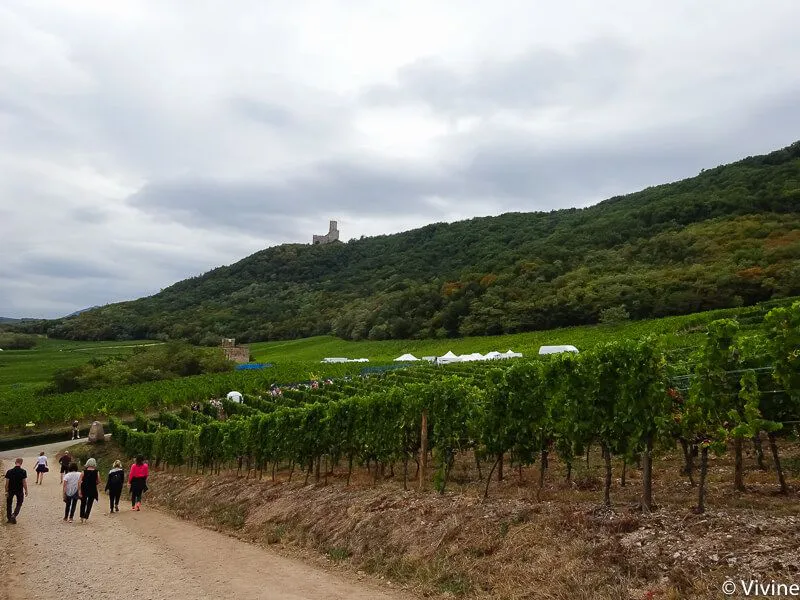
Of course, Sélestat is not located on the Alsace Wine Route… But it’s so close that it’s just like that! I invite you for example to visit one of my favorite domains, Domaine Achillée in Scherwiller.

11. Cycling between the Wine Route and the Alsace Plain
If you like cycling, here is a very nice idea for a bike ride which is one of the routes I would recommend for a first day of discovery of Alsace by bike. The Medieval Cities and Baroque Art loop allows you to appreciate the variety of Alsatian landscapes, between the plains and the vineyards, and to make some very nice visits along the way… As a bonus, you can easily rent an electrically assisted bicycle from the tourist office if needed.


Bonus – Attend the Machores carnival
Sélestat is famous in Alsace for its carnival, the Carnaval des Machores. It’s worth attending if you’re in the area on the right dates!


My good addresses in Sélestat
Where to sleep in Sélestat?
I can recommend two addresses if you are looking for a nice bed and breakfast or a gite in Sélestat: Domaine des Remparts and Carpe Diem.
Restaurants: where to eat in Selestat?
I can recommend two good French restaurants, the Schatzy and the Stork (with a special mention for the superb terrace of the latter!).
Practical information
Guided tours
You will find here the program of guided tours organized by the Tourist Office of Sélestat-Haut-Koenigsbourg.
It is also possible to visit the city with an inhabitant (a greeter), which is usually very nice to discover the city through the eyes of a local. More information about the greeters of Sélestat here.
Access
By car
Selestat is located in:
- 25 km from Colmar (about 30 minutes)
- 50 km from Strasbourg (about 40 minutes)
- 66 km from Mulhouse (about 50 minutes)
You will find several free parking lots at the entrance of the city. I recommend them, you just have to walk a few minutes after.
By public transport
It is easy to come to Selestat by train. You can look at Fluo to see how to get to Selestat by public transport.